
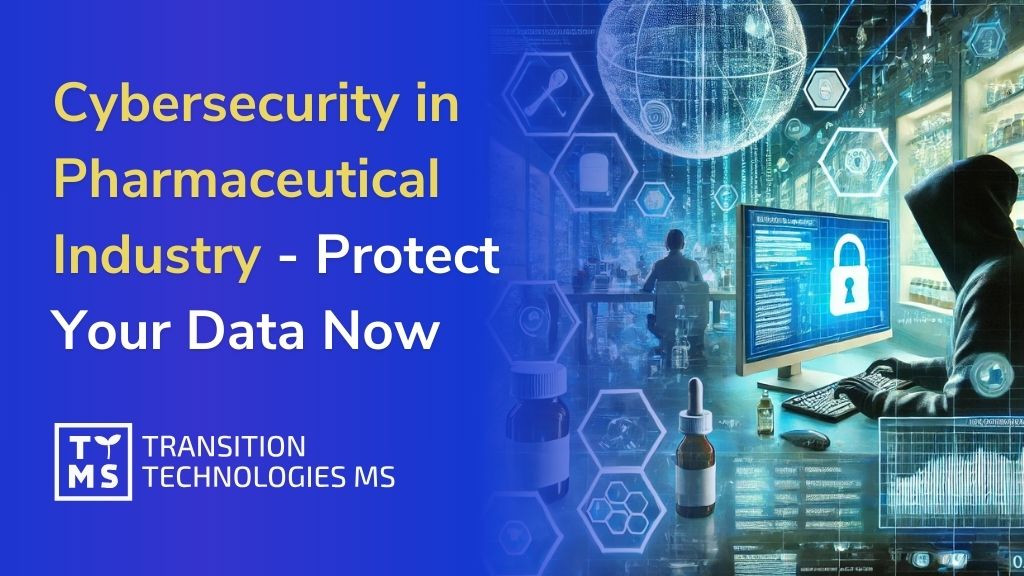
Cybersecurity Pharmaceutical Industry – Protect Your Company Data Now
As technology advances and pharmaceutical companies adopt innovative solutions, cyber threats have become a pressing issue. Statistics highlight the scale of the problem: on average, these companies face 71 cyber attacks each year, with successful breaches costing approximately $5.2 million. With critical research data, patient records, and intellectual property at risk, pharmaceutical firms are attractive targets for cybercriminals. As the industry relies more heavily on digital solutions, robust cybersecurity measures are no longer optional—they are essential for protecting operations and ensuring resilience. 1. Why is Cybersecurity Critical for the Pharmaceuticals industry? The pharma industry sits at the crossroads of innovation, patient care, and data protection. As companies embrace digital tools and processes, keeping sensitive information safe has become both harder and more important. Understanding where you’re most vulnerable helps build better protection strategies. 1.1 Valuable Intellectual Property (IP) Risks Pharma companies pour billions into research and development each year, creating incredibly valuable intellectual property. Think drug formulas, trial results, and cutting-edge manufacturing processes – these represent years of work and massive investments. Cybercriminals know this and actively target this information, aware that just one successful hack could give them access to data worth billions. 1.2 Protecting Sensitive Data and Patient Information Protecting patient data isn’t just about following rules – it’s a core responsibility. Clinical trials alone generate huge amounts of personal health information. When you combine this with research findings and proprietary methods, you’ve got a complex web of sensitive data that needs serious protection. 1.3 Supply Chain Vulnerabilities Modern pharma supply chains have countless digital connections, from sourcing raw materials to delivering finished products. Each connection is a potential entry point for hackers. Here’s a worrying fact: 60% of cyber attacks in pharma come through the supply chain, making it essential to have strong security across all partner relationships. 1.4 Regulatory Compliance Exploitation Pharma companies must follow strict rules like GDPR, HIPAA, and FDA guidelines. Hackers often look for gaps during regulatory changes or updates. Getting it wrong doesn’t just put data at risk – it can lead to huge fines, up to 4% of global yearly revenue under GDPR. 1.5 Global Consequences of Breaches When a pharma company gets hacked, the impact goes way beyond immediate money losses. One security incident can disrupt supply chains worldwide, slow down drug development, and put patient safety at risk. The damage to reputation can be huge – studies show pharma companies typically lose about 7% of their customers after a major data breach. 2. Major Cyber Threats Facing the Pharmaceutical Sector The pharma industry faces an increasingly complex set of cyber threats. Understanding these threats is key to defending against them. Recent analysis shows pharma has become one of the most targeted industries, with attacks getting more sophisticated and frequent. 2.1 Ransomware Attacks Ransomware has hit pharma hard, with healthcare ransomware attacks jumping 264% in the last five years (The U.S. Department of Health and Human Services’ (HHS) Office of Civil Rights (OCR), 2024). These attacks can freeze critical systems, lock up valuable research, and stop production lines. When ransomware strikes, it’s not just about money – it can disrupt patient care and delay drug development. 2.2 Phishing and Social Engineering Pharma companies face sophisticated phishing attacks that often look like real messages from partners or regulators. These attacks are getting more personalized, using detailed company info to seem legitimate. One successful phishing attack can compromise sensitive data across an entire organization. 2.3 Third-party Vendor Vulnerabilities The connected nature of pharma operations makes vendor security crucial. Recent attacks often use less-secure vendor systems as a way in. Vendors with access to sensitive systems or data are particularly risky if their security isn’t as strong as yours. 2.4 Internet of Things (IoT) Security Risks Today’s pharma manufacturing relies heavily on connected devices for everything from temperature monitoring to quality control. Each connected device could be a way in for cybercriminals. The growing number of IoT devices in pharma has created new security challenges that traditional measures might not catch. 2.5 Employee Errors and Insider Threats People remain one of the biggest security challenges in pharma. Whether by accident or on purpose, employee-related security incidents can cause serious breaches. Good training and monitoring are essential – just one compromised account or mishandled device can lead to a major data breach affecting multiple systems. 3. Challenges in Addressing Cybersecurity in Pharma The pharma industry faces several complex security challenges. With healthcare cybersecurity market growth expected at 18.5% from 2024 to 2030, understanding these challenges is crucial for finding effective solutions. Among all the issues facing pharma today, cybersecurity stands out as needing immediate attention. 3.1 Integration with Emerging Technologies One big challenge is safely adopting new technologies. As pharma companies embrace AI, machine learning, and cloud computing, each new tool brings potential security risks. Making these systems work smoothly with existing setup while keeping everything secure is a major challenge. 3.2 Governance and Policy Implementation Creating and enforcing comprehensive security policies is tough. In USA Large security breaches increased by 93% between 2018 and 2022 (OCR Report), showing we need stronger governance. Companies must balance complex regulations with practical, workable policies. 3.3 Balancing Innovation with Security Pharma companies walk a fine line between moving fast and staying secure. This gets especially tricky when rapid development timelines clash with thorough security checks. The pressure to launch new drugs quickly needs to be balanced against proper security measures. 3.4 Mergers and Acquisitions Mergers and acquisitions create special security challenges. Combining different tech systems, security protocols, and company cultures opens up many potential vulnerabilities. Each merger needs thorough security reviews and careful planning to avoid creating weak spots during the transition. 4. Effective Cybersecurity Strategies for Pharmaceutical Companies As cyber threats evolve, strong protection strategies become essential. With healthcare data breaches costing around $10.10 million each, pharma companies need comprehensive security measures to protect their assets and reputation. 4.1 Developing a Comprehensive Cybersecurity Framework A solid security framework is fundamental. It should address the three main causes of data breaches: malicious attacks, human error, and IT failure. The framework needs to meet industry regulations while being flexible enough to handle new threats. 4.2 Risk Assessment and Management Regular security checkups are vital. Hacking breaches in healthcare won’t stop; companies must constantly evaluate their security measures. This means finding weak spots, understanding potential impacts, and smart spending on security improvements. 4.3 Investment in Advanced Cybersecurity Technologies Modern pharma security needs cutting-edge protection. While data breach costs have slightly dropped to $4.82 million in 2023, investing in advanced security remains crucial. This includes AI-powered threat detection, encrypted communication, and secure cloud systems. 4.4 Continuous Training and Awareness Programs Employee training is key to good security. Regular awareness sessions help staff spot and handle security threats better. These should cover spotting phishing attempts, handling data safely, and using security tools properly to reduce accidents. 4.5 Incident Response Planning Quick action during security incidents is crucial. The industry typically takes 189 days to detect and 66 days to contain breaches, but good response plans can improve this. These plans should include clear steps for escalation, communication, and recovery to minimize damage and keep business running. 5. Conclusion As pharma companies become more digital, strong cybersecurity becomes more critical. From protecting valuable research to keeping patient data safe, the stakes are incredibly high. Organizations need to see cybersecurity not just as an IT issue, but as a crucial business priority that needs constant attention and investment. As cyber threats get more sophisticated, pharma companies must stay ahead by implementing comprehensive security measures, regularly checking for risks, and building a security-aware culture. The cost of poor protection far outweighs the investment in prevention. Success in pharma cybersecurity needs both good technology and human expertise. By prioritizing security while enabling innovation, companies can protect their assets, follow regulations, and keep stakeholder trust. The future of pharma security depends on active protection, constant adaptation, and unwavering commitment to data safety. 6. Secure Your Pharmaceutical Business with TTMS Cyber Solutions With the rapid advancement of technology, having a trusted security partner is essential for pharmaceutical companies. TTMS brings extensive experience in developing effective security solutions tailored specifically for the pharma industry, combining deep industry knowledge with advanced technical expertise. As a global IT company with many certifications and partnerships with leaders like Microsoft, Salesforce, and AEM, TTMS offers complete security solutions that tackle pharma’s unique challenges. We use everything from AI-powered threat detection to advanced process automation to keep your sensitive data safe while maintaining efficient operations. TTMS’s expertise in Business Intelligence tools, including Snowflake DWH and Power BI, helps pharma companies analyze and manage data securely while following industry rules. Our managed services provide constant monitoring and quick response to potential threats, while our IT outsourcing gives you the flexibility to adapt as security needs change. Choosing TTMS as your security partner means working with experienced professionals who understand how crucial pharma data protection is. Our comprehensive quality management systems and ISO certifications show our commitment to the highest security standards, helping you stay ahead of cyber threats while focusing on your core business. Contact us now! Check our Pharma Industry Case Studies: SAP CIAM Implementation for Pharma Case Study A Pharma Platform Case Study – Implementing a Digital Health Consent Management Platform Integration in Pharma Case Study Effective Consent Lifecycle Management in Pharma Case Study Pharma HCP Portal Case Study
Read
10 Examples of Innovative Use of AI Tools in Law Firms in 202
Nearly three out of four lawyers (73%) say they plan to use generative artificial intelligence in their work within the next year (data from the Wolters Kluwer report). These numbers are astonishing, especially when considering that in Poland, many law firms still store documentation in cabinets under lock and key. Digital transformation in the legal sector is still not widespread. However, there is hope—the new generation of lawyers increasingly embraces modern technologies that simplify their daily work. They are more aware than ever that artificial intelligence not only speeds up tedious tasks but also increases law firm profits. Young lawyers are ambitious and open to success, making AI implementation a natural step for them. In this article, we will take a closer look at the applications of generative ai for law firms and discuss its key advantages. 1. AI Tools for Law Firms Before delving into the benefits of using artificial intelligence, it’s worth examining specific tools that streamline the work of law firms. To fully understand the potential of AI technology, one must first explore various aspects of a lawyer’s daily work. It is the challenges and difficulties associated with routine tasks that have led legal advisors and attorneys to seek solutions dedicated to this field. In this section, we will look at the most common tasks that can be improved by AI software for law firms. 1.1 Automated Contract and Document Analysis Advanced algorithms can swiftly review hundreds of pages, identifying key clauses, potential risks, or inconsistencies. The system compares analyzed documents with a database of templates, highlighting unusual provisions or missing elements. AI not only detects significant information but also suggests corrections or alternative formulations. This allows lawyers to focus on the strategic aspects of contracts, leaving routine checks to AI systems. 1.2 Intelligent Decision Support Systems in Legal Cases AI-based decision support systems are becoming invaluable tools for lawyers. By analyzing vast amounts of data, including precedents, case law, and statistics, AI helps make more informed decisions. The system can predict potential case outcomes based on historical data and current legal trends. These intelligent tools provide lawyers with a comprehensive view of the situation, presenting various scenarios and their likelihood. This enables better strategic planning and more precise advice for clients. However, AI does not replace human judgment but serves as a powerful aid in the decision-making process. 1.3 Intelligent Legal Assistant Intelligent legal assistants are advanced chatbots and AI systems that support lawyers in their daily work. They can answer basic legal questions, find relevant regulations or precedents, and even assist in drafting preliminary versions of documents. AI assistants are available 24/7, allowing quick access to information even outside standard working hours. They can also support law firm clients by answering simple inquiries. This technology significantly accelerates work and reduces the time needed to complete tasks. In such cases, law firm employees can focus on more complex issues. This not only increases work efficiency but also improves client service quality. 1.4 AI-Powered Documentation and Transcription Automation Advanced speech recognition systems can convert audio recordings from court proceedings or client meetings into written text in real time. This eliminates the need for manual note-taking, saving time and increasing accuracy. AI tools not only transcribe but also categorize and index content, facilitating later information retrieval. These systems can also automatically generate meeting summaries or key points from lengthy documents. This significantly streamlines the documentation process and allows lawyers to focus on analyzing and interpreting information. 1.5 Searching and Analyzing Large Sets of Electronic Data In the era of big data, the ability to efficiently search and analyze vast datasets is crucial for law firms. AI tools offer advanced capabilities in this area, far surpassing traditional methods. These systems can quickly search millions of documents, emails, or files, identifying key information and connections. AI not only finds relevant data but also analyzes its context and significance. It can detect patterns, anomalies, or potential evidence in cases. This is particularly valuable in discovery processes, where quickly locating key information can determine the case’s outcome. Lawyers can then focus on strategic analysis instead of manual document searches. 1.6 Personalized Document Generation AI is also changing how law firms create documents. Text generation systems can produce personalized contracts, legal briefs, or opinions based on input data and parameters. These tools draw on extensive legal knowledge bases, ensuring compliance with current regulations and best practices. Document personalization occurs not only at the content level but also in style. AI can adapt the language and format to the preferences of a specific client or court. This not only saves time but also ensures consistency and high quality across the firm. Lawyers can focus on tailoring critical elements while leaving routine editing to AI systems. 1.7 Legislative Change Monitoring In a dynamically changing legal environment, tracking all legislative changes can be challenging. AI tools offer a solution to this problem. They automatically monitor legal changes, new rulings, and interpretations. These systems analyze vast amounts of data from various sources, identifying changes relevant to specific areas of legal practice. AI not only informs about changes but also analyzes their potential impact on ongoing cases and clients. It may suggest updates to documents or legal strategies in response to new regulations. This allows lawyers to stay up to date and proactively respond to legal changes, providing the highest quality advice to clients. 1.8 Sentiment Analysis in Communication AI sentiment analysis tools find innovative applications in legal practice. These systems can analyze tone and emotions in written and verbal communication, which is particularly valuable in employee relations, corporate disputes, or family law cases. AI can review emails, documents, or conversation transcripts, identifying potential areas of conflict or dissatisfaction. This technology helps lawyers better understand the dynamics of relationships between dispute parties. It can indicate hidden motives or emotions that may influence the case’s course. This is a valuable tool in negotiations and mediations, allowing for a more empathetic and effective approach to conflict resolution. 1.9 Knowledge Management System AI transforms how law firms manage their knowledge and expertise. Intelligent knowledge management systems can collect, categorize, and share information from various sources within the firm. This includes documents, emails, meeting notes, or internal legal analyses. The AI system not only stores information but also actively suggests related resources in the context of ongoing cases. It can help identify internal experts in specific legal fields, facilitating collaboration and knowledge sharing. This significantly accelerates the learning process for junior lawyers and ensures that the valuable experience of senior partners is effectively utilized throughout the organization. 1.10 Risk Analysis and Due Diligence AI is revolutionizing risk analysis and due diligence processes in law firms. Advanced algorithms can process vast amounts of financial, legal, and business data, identifying potential risks and irregularities. These systems analyze not only the structure and content of documents but also their context and connections to other information. In due diligence processes, AI can quickly review thousands of corporate documents, contracts, and financial reports. It identifies key clauses, potential liabilities, or regulatory inconsistencies. This not only speeds up the process but also increases its accuracy, minimizing the risk of overlooking critical information. Lawyers can focus on strategic risk assessment, confident that no important detail has been missed. 2. Key Benefits of Using AI for Lawyers Since we’ve convinced you that artificial intelligence is becoming an integral part of modern law firms and presented tools that facilitate daily work, it’s time to highlight the key benefits of using AI in this field. In this section, we will show how AI-based solutions can optimize processes, increase productivity, and reduce operational costs. 2.1 Optimizing Processes and Increasing Work Efficiency with AI for Law Firms AI in legal work becomes an invaluable tool for process optimization. Automating routine tasks saves significant time. Lawyers can focus on the strategic aspects of their work, leaving repetitive activities to AI systems. AI software for lawyers streamlines document management, enabling quick information retrieval and categorization. Intelligent systems also assist in planning and managing cases. Automated reminders about deadlines, task prioritization, or resource allocation suggestions increase law firm productivity. AI programs for lawyers offer advanced analytical functions that help make data-driven business decisions. AI also improves communication with clients. Previously mentioned chatbots and virtual assistants can handle basic inquiries, providing instant responses. This allows lawyers to focus on more complex issues requiring human expertise. Work efficiency increases, and clients receive faster and more comprehensive service. 2.2 Improving the Accuracy of Legal Analysis with Advanced AI Algorithms Advanced AI algorithms significantly enhance the quality and accuracy of legal analysis. AI software for lawyers can process vast amounts of legal data in record time. These systems identify critical precedents, interpretations of regulations, or jurisprudential trends that could escape human attention. AI in legal work also supports risk analysis. Machine learning algorithms can predict potential legal problems based on historical data. This allows for a proactive approach to legal risk management in organizations. Lawyers can offer clients more precise and comprehensive advice. Reducing risk in making key decisions is particularly important when a client company’s fate is at stake. Accurate data analysis helps minimize the risk of missing essential information, which is crucial in mergers and acquisitions transactions. 2.3 Ways AI Helps Reduce Law Firm Operational Costs Using AI in law firms leads to significant reductions in operational costs. Automating routine tasks reduces the need for human labor for simpler activities. This allows for more efficient use of highly qualified employees’ time, translating into optimized personnel costs. Intelligent planning systems also enable more efficient use of lawyers’ time and other resources. This increases efficiency while reducing operational costs. It’s also worth mentioning that AI software for lawyers reduces research-related costs. Fast and precise information retrieval shortens the time needed for case analysis. This translates into lower costs for clients and increases the law firm’s competitiveness in the legal services market. AI in legal work also contributes to reducing costs associated with human errors. Advanced document quality control systems minimize the risk of mistakes that could lead to costly legal consequences. This not only saves money but also protects the firm’s reputation. 3. An Example of Successful AI Implementation in a Law Firm The implementation of an advanced document processing and analysis system for the Sawaryn & Partners Law Firm marked a breakthrough in streamlining daily operations. The firm faced the challenge of time-consuming processing of documents, court records, and audio recordings from proceedings. Manual management of these materials was prone to errors and required significant resources, affecting operational efficiency and decision-making speed. To address these difficulties, a solution based on the Azure Open AI platform was implemented, automating document processing and analysis. The system was designed to ensure complete data security, guaranteeing that input and output information is not shared with external organizations or used for AI model training. As a result, the implemented solution enabled the automatic generation of document, protocol, and recording summaries. This significantly accelerated access to key information and improved the work of legal teams. Additionally, the system automated the process of updating legal documentation. It’s worth noting that TTMS was the entity that designed and implemented this solution (read more about the implementation in our Case Study). Our collaboration with the client did not end with one-time implementation—the system is continuously developed to meet the changing market demands and the firm’s needs. 4. Summary – How TTMS Can Help Implement AI in a Law Firm TTMS, as a leader in innovative technological solutions, offers comprehensive support for law firms wishing to implement AI tools. The company understands the unique challenges facing the legal industry and tailors its services to meet their specific requirements. The AI implementation process at TTMS begins with a thorough analysis of the law firm’s needs and processes. Experts conduct an audit of existing systems and identify areas where AI can bring the most significant benefits. This allows for creating a personalized implementation strategy that maximizes efficiency and return on investment. We offer a wide range of AI solutions tailored to lawyers’ needs. These include tools for automatic document analysis, intelligent legal assistants, predictive analytics for court cases, and advanced knowledge management systems. Each of these solutions is carefully adapted to the specifics of the firm. A key aspect of our offering is the emphasis on data security and compliance with legal regulations. The company ensures that all implemented AI solutions meet the highest security standards and comply with requirements such as GDPR or the AI Act. TTMS not only provides technology but also offers comprehensive support during the digital transformation process. This includes training for law firm employees, enabling the full potential of new tools. The company also provides ongoing technical support and regular system updates to ensure optimal performance. Our strength lies in integrating AI solutions with existing law firm systems. This ensures a smooth implementation of new technologies without disrupting the ongoing work of law firm employees. We also place great emphasis on ethical aspects of AI use in law. The company helps law firms develop internal policies and procedures to ensure responsible AI usage in compliance with legal ethics principles. Contact us now! If you find the content of this article valuable and want to learn more about implementing software based on AI technologies, consider exploring the following articles: Disadvantages of AI in Law – Uncover the Hidden Risks Business Process Automation with Azure and OpenAI Boosting Productivity: Using AI to Automate Routine Business Tasks AI Financial Forecasting and Planning If you’re looking for AI-based tools for your business, contact our team of experts, who will be happy to help you find the best solutions tailored to your company’s needs. What are the benefits of using AI in law firms? Artificial intelligence speeds up routine tasks such as document analysis, automates processes, and increases work efficiency. Additionally, it helps in making better decisions through data analysis and case outcome forecasting. Can AI replace lawyers? No, AI supports lawyers by automating repetitive tasks and providing data analysis, but it doesn’t replace human judgment or strategic thinking. Lawyers remain essential for decision-making and client relationships. What AI tools are most commonly used in law firms? The most popular tools include systems for document analysis, intelligent legal assistants, tools for monitoring legislative changes, and knowledge management systems. These tools simplify daily work and allow a focus on more complex cases. Is implementing AI in a law firm safe? Yes, provided that solutions comply with legal regulations, such as GDPR, and maintain high data security standards. Implementations can be tailored to the specific needs of the law firm, ensuring full information security. Is implementing AI in a law firm safe? Yes, provided that solutions comply with legal regulations, such as GDPR, and maintain high data security standards. Implementations can be tailored to the specific needs of the law firm, ensuring full information security. Is implementing AI cost-effective for law firms? Yes, AI helps reduce operational costs by automating processes and improving work efficiency. Shortening the time spent on document or case analysis allows better resource utilization and increases law firm profitability.
Read
Disadvantages of AI in Law – Uncover the Hidden Risks
In an era of rapid technological advancements, law firms are increasingly adopting AI-driven solutions tailored to the specific needs of the legal industry. These innovative tools not only enhance daily operations but also allow lawyers to focus on the core aspects of their practice. By automating routine tasks, AI alleviates the burden on teams, optimizes internal processes, and unlocks the full potential of legal professionals. As a result, law firms become more efficient and competitive in the fast-paced legal market. However, do these numerous benefits also come with potential downsides? Is the use of AI-powered software safe and compliant with current regulations? This article examines the benefits and challenges of implementing AI in law firms, providing a comprehensive analysis of this complex issue.
Read
ISO Certification Cost – what the price depends on and how much it costs
1. Introduction to ISO Certification and Its Importance Understanding the considerations involved in obtaining an ISO certification can seem overwhelming, particularly for companies new to compliance standards. It’s crucial to recognize that investing in this certification goes beyond just ticking boxes—it paves the way for boosting your market credibility and operational excellence. But what about the costs? Let’s delve into the intricacies of ISO certification cost, offering an extensive breakdown to help you budget effectively. 1.2 The Importance of ISO Certification for Businesses Every successful business recognizes the importance of maintaining high-quality standards in their processes and products. This is where ISO certifications come into play. These globally recognized standards serve as a testament to your commitment to quality, safety, and efficiency. ISO certification embodies trust. When customers see that a company has earned an ISO certification, it reassures them that you’re adhering to stringent international standards. Such credibility can be vital in securing larger contracts or penetrating new markets. Moreover, it fosters a culture of continuous improvement within your organization—a cornerstone for long-term success. 1.3 Overview of Different Types of ISO Certifications The International Organization for Standardization (ISO) provides a vast array of certifications catering to various industry requirements and business needs. ISO 9001: Focuses on Quality Management Systems (QMS). Ensuring consistent quality across all facets. ISO 14001: Concentrates on Environmental Management Systems (EMS), emphasizing sustainability and eco-friendliness. ISO 27001: Dedicates itself to Information Security Management Systems (ISMS), ensuring data protection. ISO 45001: Deals with Occupational Health and Safety Management Systems (OHSMS), aiming for workplace safety. ISO 22000: Pertains to Food Safety Management Systems (FSMS), critical for food industry players. Each type addresses specific aspects relevant to different businesses but shares a common goal: enhancing organizational efficacy while meeting customer and regulatory expectations. With this understanding of the value and types of ISO certifications, you’ll be better prepared as I walk you through the factors that affect costs, tips for managing these expenses efficiently, and real-world examples of businesses that have succeeded after certification. 2. Understanding the Costs Involved with ISO Certification Navigating through ISO certification costs can initially appear daunting. However, unraveling the components that determine these expenses makes it easier to plan and budget effectively. Various factors, such as company size and industry type, play pivotal roles in shaping these costs. 2.1 The Role of Company Size and Industry in Determining Costs One key factor in ISO certification costs is your company’s size. Larger companies usually pay more than small or medium-sized businesses because their operations are more complex. The scope of activities within a larger organization often requires more meticulous auditing and comprehensive documentation, which contributes to increased expenses. Small Businesses: Generally incur lower iso costs because they have fewer processes needing scrutiny. Medium Enterprises: Will see moderate expenditures; they’re not as vast as large corporations but still have substantial operational layers. Large Corporations: Usually deal with the highest iso certification fees due to their complex structures and numerous departments. Industry type also significantly impacts iso certification costs. For instance, industries with high compliance requirements—such as healthcare, manufacturing, or finance—may face elevated fees due to rigorous standards adherence. 2.2 Key Factors That Influence ISO Certification Cost Several crucial elements collectively determine the final iso certification cost for any business: Certification Type: Different types of ISO certifications (e.g., 9001, 14001) come with varying complexity and requirements. Documentation Needs: Documentation creation can be time-consuming if internal systems aren’t adequately organized beforehand. Employee Training: Ensuring staff understand new procedures necessitates investment in training programs. Consultant Fees: Hiring experts for smoother and quicker transition might add an extra layer of expense. Audit Complexity: The depth of assessment required for your processes directly influences audit hours—and subsequently the fee structure. Surveillance Audits: Post-certification maintenance audits ensure continuing adherence but incur ongoing service charges. Understanding these factors helps demystify what goes into iso costs by showcasing where each dollar potentially flows during this journey towards obtaining globally recognized accreditation. Armed with insights on how different variables influence your total outlay will empower you—but remember always plan ahead financially when embarking on achieving something monumental like ISO certification! 3. Detailed Breakdown of ISO Certification Costs ISO certification cost encompasses several distinct components, making it vital to understand each one. Here, I will break down the main areas where these costs accumulate. 3.1 Initial Assessment and Application Fees The journey to ISO certification starts with an initial assessment and application fees. During this phase, a preliminary evaluation identifies how closely your current systems align with the required standards. Initial Consultation: Often free or minimal in cost but essential for mapping out the pathway. Application Fees: These can vary based on the certifying body you choose and the specific type of ISO certification you aim to achieve. This stage ensures that you’re prepared for full audits while giving a clear picture of preliminary iso costs. 3.2 Costs for Documentation, Implementation, and Training Proper documentation is a cornerstone of any successful ISO certification process. Comprehensive policies, procedures, and records need to be meticulously crafted. You must take into account the costs associated with:documentation packages and consultant fees. Training staff plays another crucial role; they must comprehend new protocols thoroughly. (Employee Training Programs – Charges fluctuate depending significantly on workforce size but constitute an unavoidable expense towards ensuring seamless transitions.) 3.3 Audit Fees and Surveillance Charges Audit processes are essential checks to verify compliance. These evaluations are a key part of estimating ISO certification costs. When planning your certification costs, be sure to take the following into account: Registration Audit Costs: refer to the fees associated with the formal process of evaluating an organization’s compliance with the ISO standards. These audits are conducted by an accredited certification body to determine whether the organization meets the requirements of the specific ISO standard, such as ISO 9001 (quality management) or ISO 14001 (environmental management). After the first audit, there are regular follow-up checks to make sure standards are still being met. Surveillance Audits: Regularly conducted assessments add recurring charges imperative for maintaining certified status long-term stability. These elements help prevent slipping back into poor practices after earning certifications, which took a lot of time and effort for companies to achieve. 3.4 Recurring Costs and Maintenance Fees Once a company is officially certified and has passed the required audits, it must maintain the standardized processes implemented during the certification. Continuous upkeep of these methods becomes essential, making it a key part of ongoing financial planning. The associated costs should be included in the company’s budget, as outlined below. For example, annual maintenance costs for ISO 27001 – related activities, such as internal efforts and surveillance reviews, can vary. These estimates are based on detailed information from a reliable source, thoroughly explained and verified in the provided link, ensuring a transparent understanding of the expenses involved. Understanding the complex nature of ISO certification requires careful planning, strategic development, and a tailored approach for each organization. Engaging with experienced professionals can help navigate challenges and ensure success. Achieving this globally recognized standard is a commendable feat that reflects excellence, dedication, and perseverance. It’s a goal that inspires others and earns well-deserved recognition for outstanding achievement and leadership, setting a high standard for others to follow. 4. Strategies to Manage and Reduce ISO Certification Expenses Managing the iso certification cost effectively can be a daunting task, but strategic planning can make this endeavor more affordable. Here, I will provide some practical tips to help you budget and minimize unnecessary expenses related to gaining your cert. 4.1 Tips for Budgeting for Your ISO Certification Project Initial Cost Estimates: Before jumping into the process, gain a clear understanding of all potential costs. From initial consultation fees to full-fledged implementation expenses, documenting an estimate helps plan better. Allocating a Dedicated Budget: Setting aside funds specifically earmarked for iso certification fees ensures that financial resources are available when you need them most without disrupting other business operations. Phased Implementation: Distribute expenditures across multiple phases instead of going for one large outlay at once. For instance: Start with documentation in phase one Proceed to employee training in phase two Finally move on towards audits Leveraging Internal Resources: Assigning well-trained internal staff can save significant costs that would otherwise go to hiring external consultants. This approach leads to clear cost reductions and shows smart budgeting and efficient use of resources, ensuring the best results from your efforts. 4.2 Ways to Minimize Unnecessary Expenses During the Certification Process Some strategies are particularly helpful in trimming down iso certification cost: Streamline Documentation: Use pre-existing templates designed for specific standards to avoid duplicating efforts, saving time and resources. This approach reduces unnecessary work and leads to more efficient, valuable results, ensuring a positive and practical outcome. Train Staff Internally: Implementing train-the-trainer programs boosts internal skills, reducing the need for costly external trainers and lowering ISO certification expenses. This approach ensures smooth integration into daily operations, offering clear, practical benefits that are adaptable, cost-effective, and positively assessed for long-term success. Choose Incremental Audits: Choose incremental audit approaches to reduce large upfront payments. This spreads out compliance costs, ensures regular progress, and allows for ongoing evaluations and monitoring. It eases financial pressure by aligning with manageable budgets and provides balanced, practical results through a well-organized, strategic process. 5. Conclusion In today’s challenging business environment, certifications aren’t just about meeting standards—they’re also about improving operations and ensuring long-term success. By using strategic approaches, companies can manage certification processes more efficiently, reduce costs, and improve overall performance. These strategies help companies simplify the certification process and handle financial challenges more easily. This approach boosts operational readiness and confidence, leading to well-earned, secure achievements. These accomplishments enhance a company’s reputation and are widely recognized, bringing significant benefits and appreciation. 5.1 Achieving Recognized Excellence Implementing these strategies helps organizations create a clear, strong impact that reflects integrity and success. The results are celebrated achievements and recognized excellence. These accomplishments drive positive change and inspire others. Companies using these methods set an example, with initiatives that are widely respected and followed. 5.2 Embodying Perfection and Supremacy The pursuit of accreditation excellence is essential. It reflects the achievement of goals and a shift towards improved practices. This vision leads to broad recognition and the adoption of best practices. Companies that meet these standards achieve success, aligning with top industry benchmarks. 5.3 Sustaining Excellence and Continuous Improvement By using these strategies, companies ensure they operate with foresight and resilience, adapting effectively over time. This leads to lasting, commendable results and consistent success. These organizations maintain strong performance and foster a culture of excellence with achievements that are credible and sustainable. 5.4 Celebrating Evolutionary Progress The journey toward certification excellence symbolizes evolutionary progress and is marked by remarkable achievements that inspire future continuance. Companies show energy, determination, and flexibility, setting clear benchmarks of success. Their achievements are recognized as top examples of creative and strategic excellence, deserving long-term praise. This ongoing success highlights their value and commitment to continuous improvement, helping them face future challenges with wisdom and perseverance. 6. How TTMS can help with ISO accreditation TTMS offers comprehensive support for companies seeking ISO accreditation by providing expert guidance and tailored solutions to streamline the certification process. Their quality management services are designed to minimize costs and reduce complexity, ensuring that your organization meets the required standards efficiently and effectively. TTMS specializes in optimizing documentation, training internal staff, and implementing incremental audit approaches, all of which contribute to a smoother and more cost-effective path to accreditation. To learn more about how TTMS can assist your organization with ISO accreditation, visit our Quality Management Services page. Contact us now!
Read